
Blogs
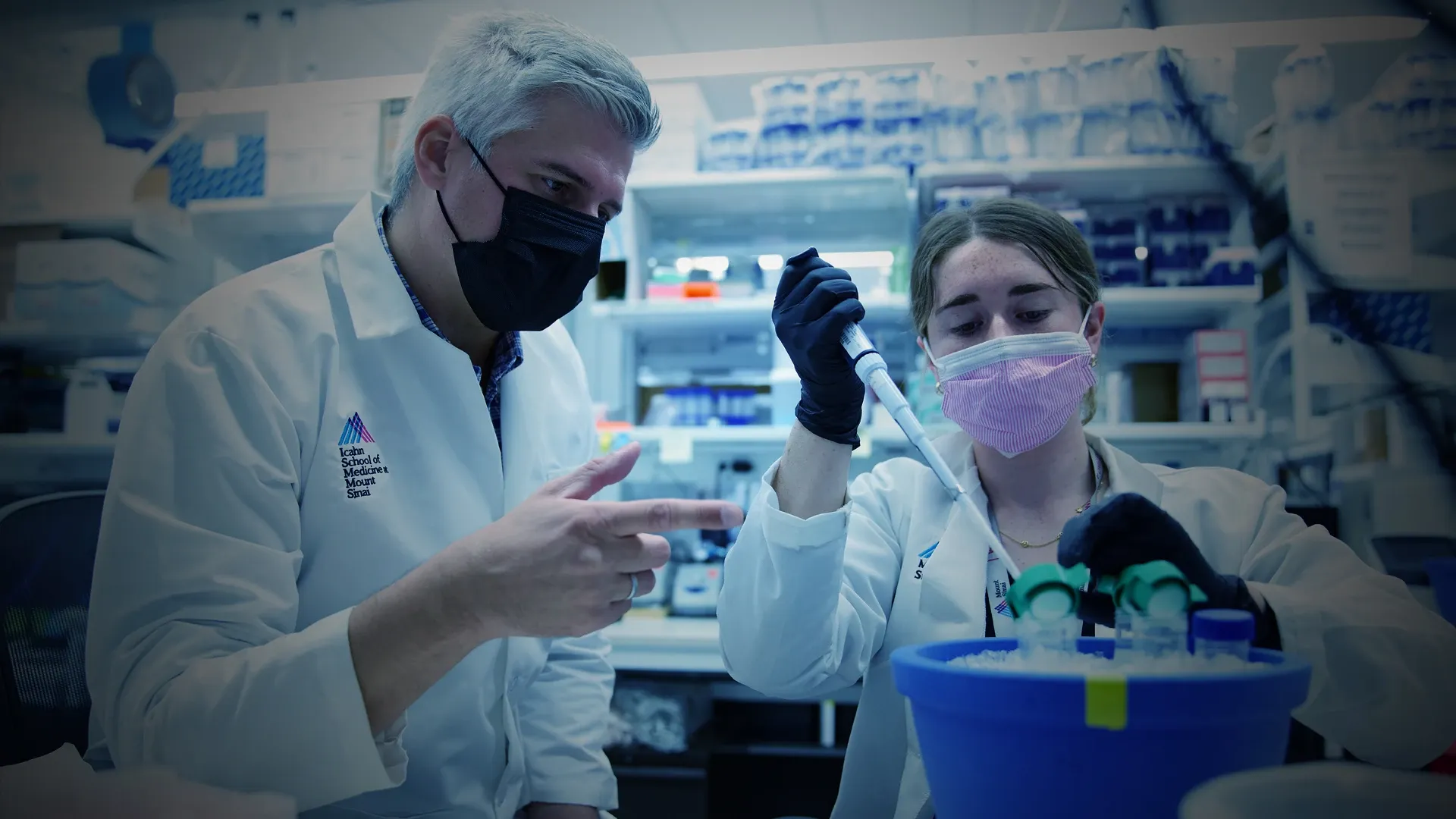
In recent years, the field of psychiatric care has begun to embrace the power of genetic science, moving towards more personalized and effective treatment strategies. One of the most promising advancements in this domain is neurogenomics, which explores how an individual's genetic makeup influences ...

In recent years, the discourse surrounding mental health has undergone a profound transformation, shifting from being regarded as a purely personal concern to a collective and organizational responsibility. This evolution is especially significant within workplace settings, where individuals spend a...

Teen mental health has become one of the most pressing public health challenges of our time. Across the globe, adolescents are facing rising rates of anxiety, depression, self-harm, suicidal ideation, and severe emotional distress. These mental health issues are escalating rapidly, fueled by a compl...

The digital revolution has profoundly transformed nearly every aspect of modern life, including how individuals connect, work, learn, and manage their health. In the realm of mental health, the proliferation of digital tools such as telepsychiatry, mobile health applications, wearable devices, and a...

Mood disorders—including major depressive disorder (MDD), bipolar I and II disorder, cyclothymia, and persistent depressive disorder (dysthymia)—are among the most widespread and disabling psychiatric conditions worldwide. These disorders affect mood regulation, energy, sleep, cognition, and overall...

Effective education about psychiatric medications is a fundamental pillar in the success of mental health treatment. Many patients approach psychiatric medication with apprehension due to stigma, misinformation, or previous negative experiences, which can create barriers to starting or continuing tr...

Substance Use Disorders (SUDs) remain one of the most complex and pervasive challenges in modern psychiatric practice. Affecting individuals across all age groups, backgrounds, and communities, SUDs not only disrupt lives but also carry significant risks for comorbid psychiatric and medical conditio...

Mental health stigma remains one of the most formidable and deeply entrenched barriers preventing individuals from accessing timely and appropriate psychiatric care. Despite increasing awareness of mental health issues, stigma continues to pervade society in complex and multifaceted ways. It manifes...

Psychiatric Mental Health Nurse Practitioners (PMHNPs) play a pivotal role in managing psychiatric crises, serving as key frontline responders in a variety of clinical environments such as hospitals, urgent care centers, outpatient clinics, and community mental health settings. Psychiatric crises of...

In modern psychiatric practice, polypharmacy is often not just common but essential for treating complex and comorbid mental health disorders. Patients with severe depression, schizophrenia, bipolar disorder, or treatment-resistant anxiety often require multiple psychotropic medications—such as anti...

Psychiatric Mental Health Nurse Practitioners (PMHNPs) are uniquely positioned to diagnose, treat, and monitor patients with depressive disorders. With the expanding access to mental healthcare, PMHNPs are increasingly becoming the primary prescribers of antidepressant medications. Their scope exten...

In the evolving landscape of mental healthcare, a growing emphasis is being placed on treating the patient as a whole rather than focusing solely on symptom management. Mental illnesses are complex and multifaceted, often resulting from a combination of biological, psychological, and environmental f...
Explore
Stay Connected, Stay Inspired!
Sign up for our newsletter to get the latest course updates, success stories, and exclusive offers straight to your inbox.